- Product

- Pricing
- Affiliate Program
- Developers
- Resource
 EN
EN
Affiliate marketing has existed for many years, but the methods that actually work keep changing with platform evolution and shifts in user behavior. After more than a decade of building, optimizing, and operating affiliate systems across domestic and international markets, one thing is clear: people who achieve long-term results are not the ones chasing the most “tricks,” but the ones who understand the essence of affiliate marketing and start in the right direction.
In 2025, affiliate marketing is no longer just about placing links and waiting for commissions to appear automatically. It is a serious business model that requires systems thinking, the ability to adapt to algorithm changes, and constant optimization. This article brings together practical perspectives from people who have been through multiple market cycles, helping you understand affiliate marketing correctly, avoid common mistakes, and build a sustainable foundation.
Before discussing tools or techniques, you need to understand the real nature of the model if you want to go far with affiliate marketing.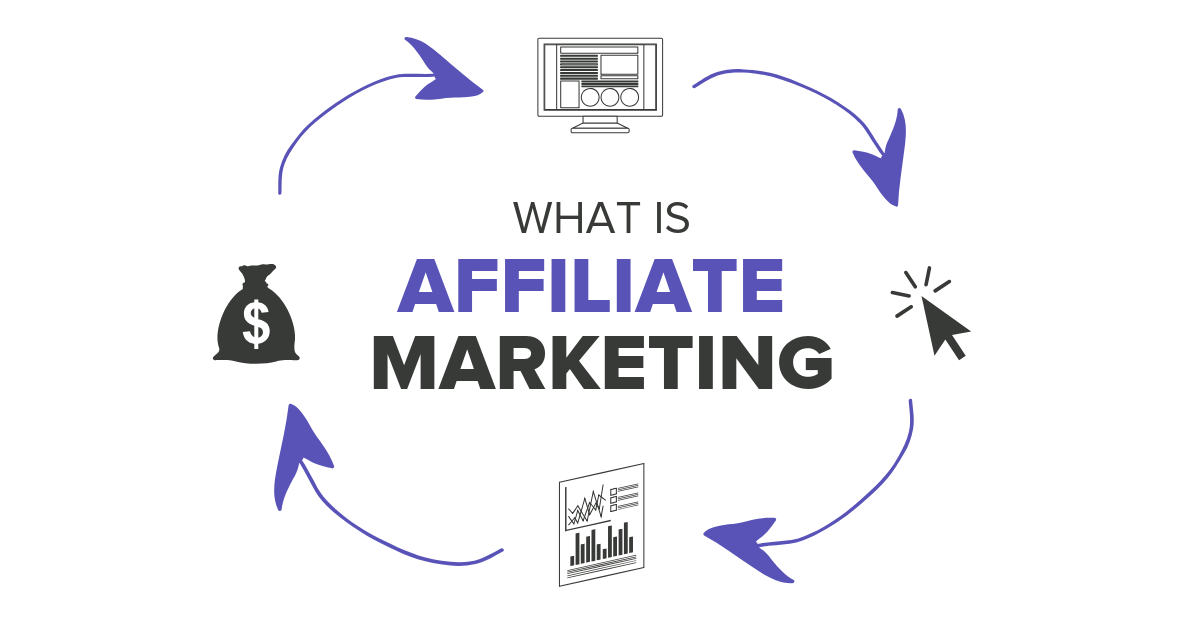
Many beginners enter affiliate marketing with the hope of earning fast income or even “making money while doing nothing.” In reality, it works very differently. Affiliate marketing only creates revenue when you provide real value and help users solve a clear problem.
Based on practical experience, the first three to six months of affiliate marketing often do not bring obvious results. This phase is mainly about laying the groundwork: researching market demand, testing content directions, understanding user behavior, and improving conversions. Those who cannot get through this stage usually quit too early. Those who stay consistent begin to see the system generate more stable income over time.
Affiliate marketing is closer to building a digital asset than chasing quick wins. It takes effort upfront, but once the foundation is strong, the system can operate more efficiently and support long-term growth.
A very common mistake is focusing too much on links and not enough on value. In affiliate marketing, links are only tools. Content is what determines whether a reader trusts the recommendation and takes action.
Experienced affiliate marketers usually start with simple but important questions: What problem is the reader facing? What information is still missing? What makes them hesitate before buying? When your content answers those questions well, the affiliate link becomes a natural next step instead of feeling forced.
This is also why many beginners fail early. They focus on promotion before trust. If you want to avoid that pattern, it helps to understand the most frequent pitfalls in affiliate projects, such as poor offer selection, weak positioning, and content that feels too sales-driven. A useful reference is this guide on affiliate marketing top mistakes.
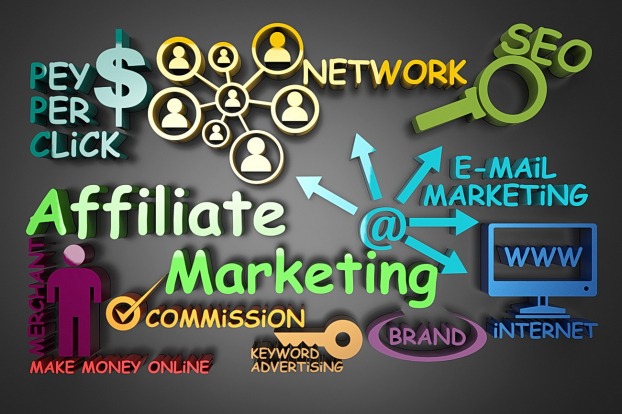
Many people fail because they approach affiliate marketing in a fragmented way. They publish one article, add a few links, and then wait. That is rarely enough. Experienced affiliates build a content system with a clear flow.
A complete affiliate marketing system usually has three layers. The first layer is traffic content that helps users discover you. The second layer is trust-building content that educates, answers questions, and reduces hesitation. The final layer is conversion content where affiliate links are placed in the right context.
When these layers are connected, your business does not depend on a single article or one traffic source. That is one of the biggest differences between a temporary affiliate attempt and a scalable affiliate model.
Understanding the model is only the first step. The more important part is applying a strategy that works in real conditions.
The product you promote directly affects the outcome of affiliate marketing. A good product is not automatically a good affiliate product. What matters more is whether it fits your audience and solves a specific problem clearly.
From practical experience, products that work well in affiliate marketing usually have stable demand and are not overly dependent on short-term hype. Commission structure, cookie duration, brand reputation, and refund risk also matter.
Instead of promoting too many unrelated products, experienced affiliates usually focus on a defined niche or a closely connected group of products. This makes the content more in-depth, improves trust, and usually leads to stronger conversion rates. If you are still deciding where to focus, this article on affiliate marketing niches can help clarify what makes a niche sustainable.

In modern affiliate marketing, content does more than attract clicks. It also guides user decisions. A high-converting article usually combines practical advice, honest comparison, clear pros and cons, and realistic use cases.
Based on long-term experience, content formats that often perform well include:
detailed tutorials
solution comparisons
common mistake breakdowns
first-hand case studies
decision-making guides
These formats work because they make readers feel supported instead of sold to.
Calls to action also matter. Generic CTAs such as “Click Now” or “Buy Now” are less effective when placed too early. A better approach is to introduce the CTA only after the user clearly understands the value of the solution.
Affiliate marketing is not risk-free. Platforms change their algorithms. Programs shut down. Commission structures get reduced. Traffic channels become unstable.
People who last in this industry always prepare alternatives instead of depending on one source. They diversify traffic, build direct audience relationships, collect useful first-party data, and strengthen their own brand presence. This creates more control and reduces dependence on outside platforms.
This is especially important when traffic becomes unpredictable. Many affiliate systems become stronger when they understand how to capture and reuse attention across platforms instead of relying on a single source. That is why concepts like traffic spillover are becoming more important in 2025.
After years of working with affiliate systems, one major issue among beginners is the lack of a clear roadmap. Without structure, many people work based on impulse. A simple 90-day framework is often much more effective.
The first phase should focus on market research. Identify your niche, study competitors, analyze the search intent behind relevant topics, and set up the technical infrastructure you need.
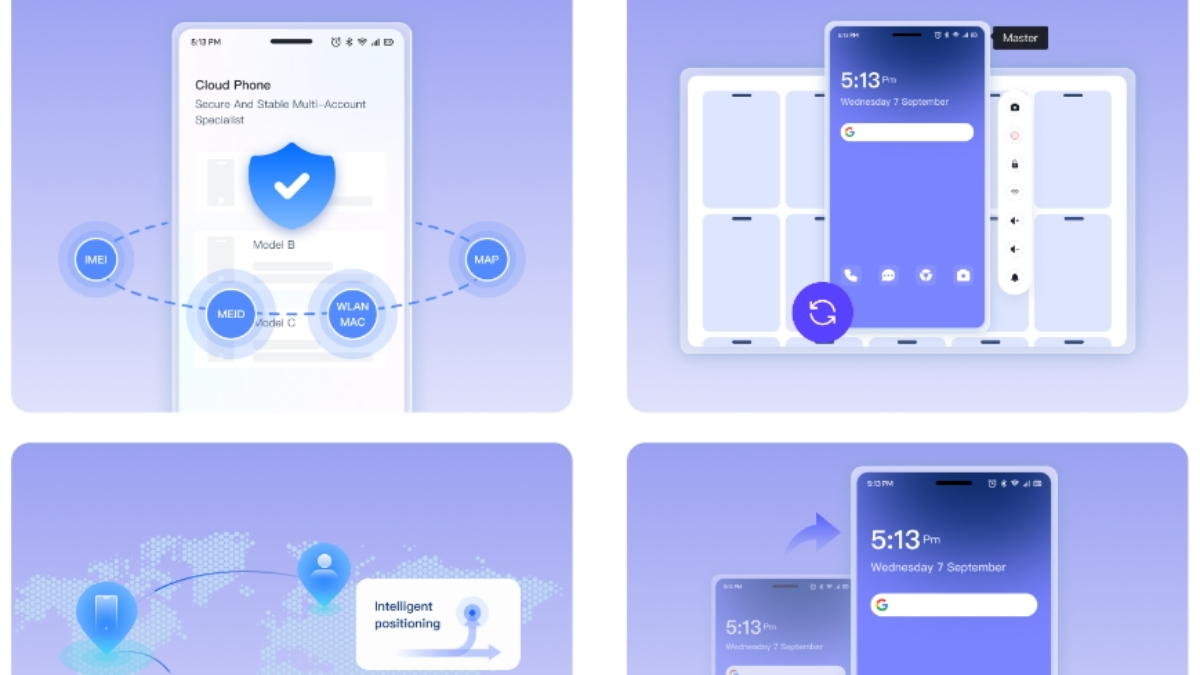
Instead of mixing different accounts and workflows on personal devices, many teams start with a structured setup from the beginning. Using systems such as MoreLogin Cloud Phone can help separate operations cleanly when managing multiple social or content accounts.
The second phase is content creation. Focus on publishing helpful articles, guides, and problem-solving content that directly addresses user pain points. Do not chase volume without purpose. One useful article that answers the right question can outperform several weak posts.
When running content across multiple channels, having an organized operating environment can help maintain consistency and reduce avoidable friction.
The final phase is about tracking performance and improving the system. Review which pages attract qualified traffic, which calls to action get clicks, which offers convert best, and where users drop off.
Once a working process is in place, scaling becomes much easier. Instead of rebuilding from zero every time, you refine and repeat what already works.
After observing many affiliate journeys, the biggest difference between people who stay and people who quit is mindset.
Long-term affiliates do not obsess over fast results. They focus on building durable digital assets: quality content, trusted audience relationships, useful data, and personal credibility. They do not just ask, “How can I get sales quickly?” They ask, “How can I make readers come back again?”
That shift changes the quality of the work. Content becomes more helpful. Recommendations become more natural. Trust gets stronger. And over time, conversions improve.
Long-term affiliates also rely on data rather than emotion. They study which posts drive qualified traffic, which pages convert, and which channels are losing momentum. Then they adjust accordingly.
A sustainable mindset also includes continuous learning. The market changes quickly. Platforms evolve. User expectations shift. Without ongoing learning, even a once-profitable system can become outdated.
Affiliate marketing is not the easiest path, but it is one of the most worthwhile online business models when approached correctly. From the perspective of people with more than 10 years of experience, lasting success comes from systems thinking, valuable content, and long-term discipline.
The real difference between short-term operators and sustainable affiliate builders is how they approach the model. Beginners often chase trends, shortcuts, and promises of easy income. Experienced marketers focus on fundamentals, optimize each part of the system, and improve steadily over time.
That steady accumulation is what creates a true competitive advantage. And once that foundation is built, affiliate marketing becomes much more than a commission channel. It becomes a sustainable business system.
 EN
EN