EN
EN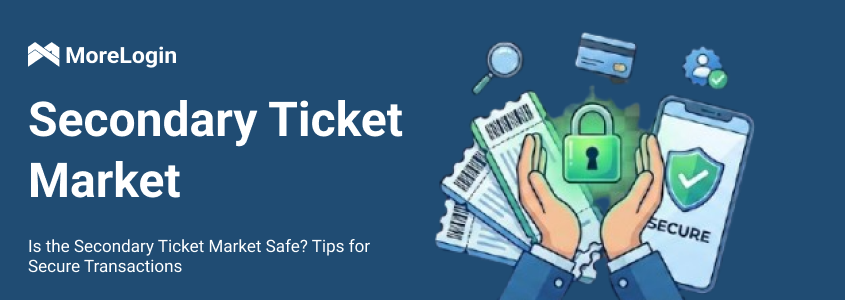
It happens all the time: your favorite artist announces a tour, but official tickets sell out in minutes. The secondary ticket market steps in to fill that gap, offering fans a second chance to catch high-demand concerts, sports matches, or theater shows.
However, buying tickets from third parties isn't without its headaches. Scam artists, inflated prices, and fake passes are very real concerns. Here is a practical, no-nonsense guide to navigating the ticket resale market safely so you can enjoy the show without the stress.
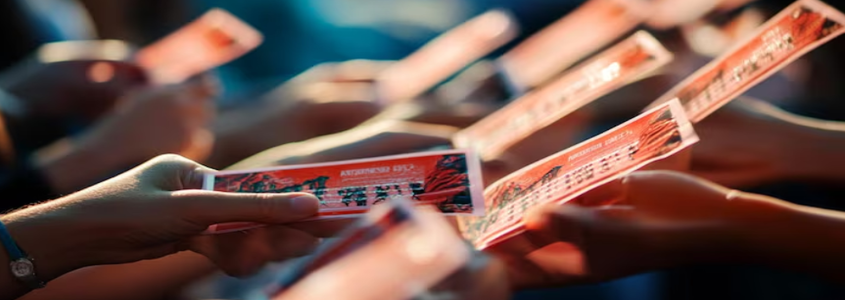
In simple terms, the secondary market is where tickets are resold after being purchased from the official primary source (like the venue's box office or Ticketmaster).
It exists because demand often outweighs supply. This market includes everything from massive, organized online exchanges to individuals trying to sell a spare seat on social media.
While the secondary market offers convenience, it carries specific risks that every buyer should know:
Fake or Duplicated Tickets: This is the most prevalent scam. Fraudsters often sell unauthorized or completely fabricated tickets.
Example: A scammer might sell the exact same digital PDF ticket to ten different people. The first person to arrive at the venue and scan the barcode gets in; the other nine are turned away at the door.
Non-Delivery (The "Ghost" Seller): You pay upfront, but the ticket never arrives. This is incredibly common on unregulated platforms like Twitter or Facebook, where a "seller" can simply block you and delete their account the second your money clears.
Price Gouging (Scalping): Sellers often use automated bots to buy up primary tickets instantly, only to relist them at astronomical markups. You could end up paying triple the face value just to get in the door.
Phishing and Data Theft: Some fraudulent websites are designed to look exactly like legitimate ticket exchanges. Their goal isn't just to steal your ticket money, but to harvest your credit card details and personal identity information.
To protect yourself and your wallet, skip the risky social media transactions and stick to platforms that prioritize buyer security. Here is what to look for:
1. Look for Official Partnerships Trustworthy platforms often partner directly with venues, sports leagues, or event organizers.
How to check: Scroll to the bottom footer of the website or look for a "Partners" or "Sponsors" page. If a platform is officially listed as the "Authorized Fan Exchange" for a major football club, that’s a massive green light.
2. Demand a Rock-Solid Buyer Guarantee Only use sites that explicitly guarantee your purchase with a clear refund policy.
What to look for: If a ticket turns out to be fake, or the event is suddenly canceled without being rescheduled, the platform must guarantee a full refund or provide a comparable replacement ticket. Avoid sites with vague "all sales are final" policies when fraud is involved.
3. Strictly Use Secure Payment Methods Never pay with direct wire transfers or cash apps (like Zelle, Venmo, or direct bank transfers) when dealing with strangers online. Once that money is sent, it’s gone.
The safer way: Always use major credit cards or recognized payment gateways like PayPal (specifically using their "Goods and Services" option). These methods offer buyer protection and allow you to dispute the charge if you are scammed.
4. Check for Verified Sellers. The safest marketplaces don't let just anyone sell anonymously. They require sellers to prove who they are.
What to look for: Choose platforms that verify sellers through identity checks, require linked credit cards, or display clear transaction histories and review scores. If a seller's profile was created yesterday and has zero feedback, it’s best to walk away.
5. Read Independent Reviews. Don't just trust the glowing testimonials on the platform's own website. Search for the company on independent review sites like Trustpilot or Capterra. This will give you a realistic picture of how the site handles customer service, disputes, and fraud prevention in real-world scenarios.
Below are the most trusted sources of secondary marketplaces with their features, pros, and cons.
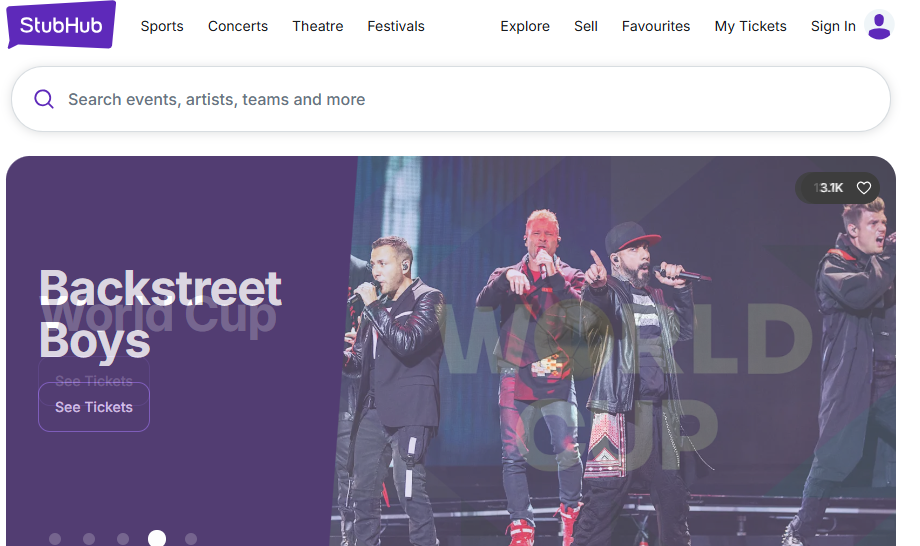
StubHub is regarded as one of the largest and most established secondary ticket marketplaces, providing tickets to various events such as concerts, sports, theatre, and more. They offer a clean interface, live ticket availability, and a buyer guarantee.
Pros:
Guaranteed authentic tickets with a money-back guarantee.
Wide selection of events worldwide.
Easy-to-use mobile app for browsing and purchasing.
Cons:
Service fees can significantly increase the total cost.
Prices may be higher for high-demand events.
Some sellers offer last-minute delivery, limiting planning flexibility.
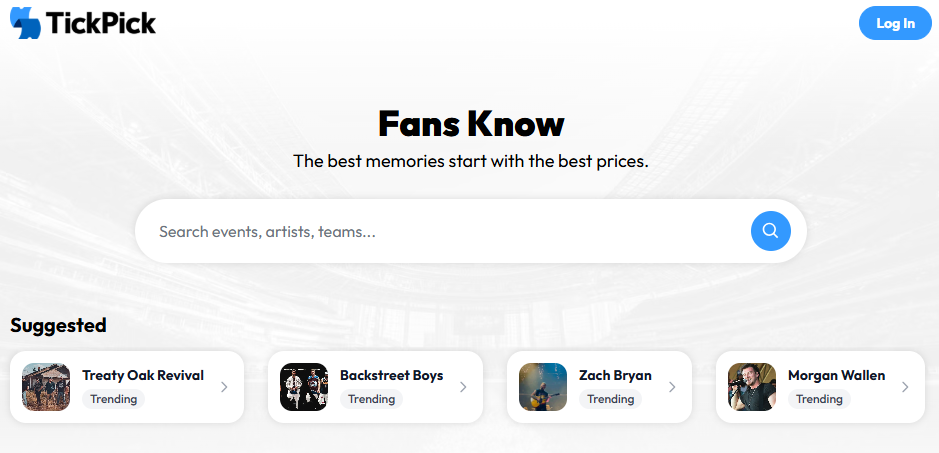
As a growing secondary ticket market, TickPick is known for having no hidden fees and a transparent bidding system. It covers a wide range of events, such as concerts, sports, and theater, sharing simplicity and affordability for buyers.
Pros:
No hidden service fees, so the price you see is the price you pay.
“Best Deal” feature helps users find tickets with the highest value.
User-friendly interface with clear seat maps and event details.
Cons:
Smaller selection compared to major platforms for some events.
Limited international event coverage.
Fewer advanced filtering options for niche preferences.
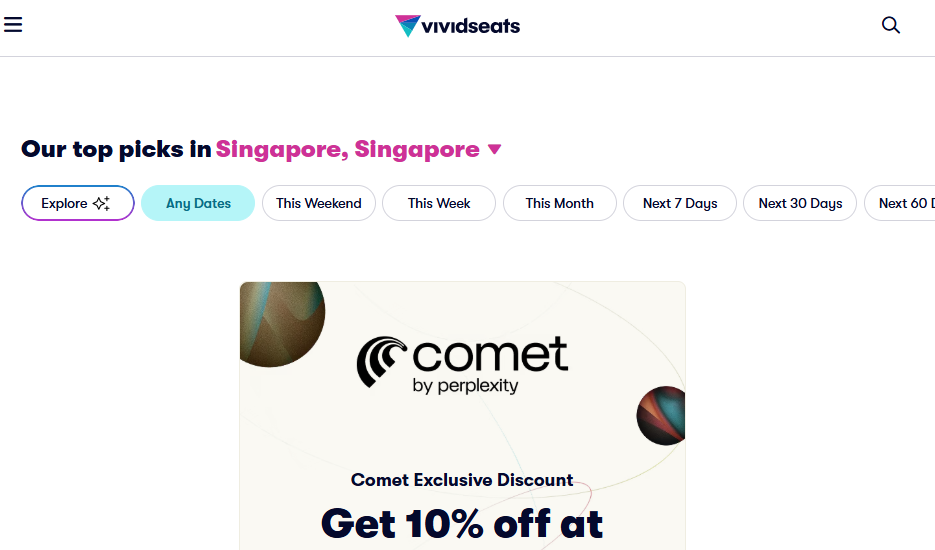
Vivid Seats works as a well-known platform in the secondary tickets market. It offers access to concerts, sports, and theater events across the U.S. The platform focuses on buyer protection and a straightforward ticket purchasing experience.
Pros:
100% Buyer Guarantee ensures tickets are valid and delivered on time.
The rewards program allows points accumulation for future purchases.
Wide selection of events, including high-demand concerts and sports.
Cons:
Service fees can significantly increase the total cost.
Some event tickets may have limited availability close to the event date.
Mobile app navigation can be less intuitive compared to competitors.
SeatGeek is a widely used ticketing platform that operates both as a primary seller and as part of the secondary ticket market. It can connect buyers and sellers for concerts, sports, and theater events through its intuitive website and mobile app. The powerful secondary ticketing site focuses on a mobile-first experience and innovative features, making it a popular choice for many event-goers.
Pros:
User-friendly interface with an easy search and purchase flow.
Deal Score and pricing transparency help you compare ticket value before buying.
Buyer Guarantees offer refunds or replacements if tickets are invalid or events are canceled.
Cons:
Customer service issues and slow resolutions are reported by some users.
Mixed ticket fulfillment experiences with some complaints about late, invalid, or incorrect tickets
If you're looking to operate in the secondary ticket market, managing multiple accounts, listings, and transactions can be complex and risky. MoreLogin provides a powerful solution to streamline these operations while maintaining security and efficiency.
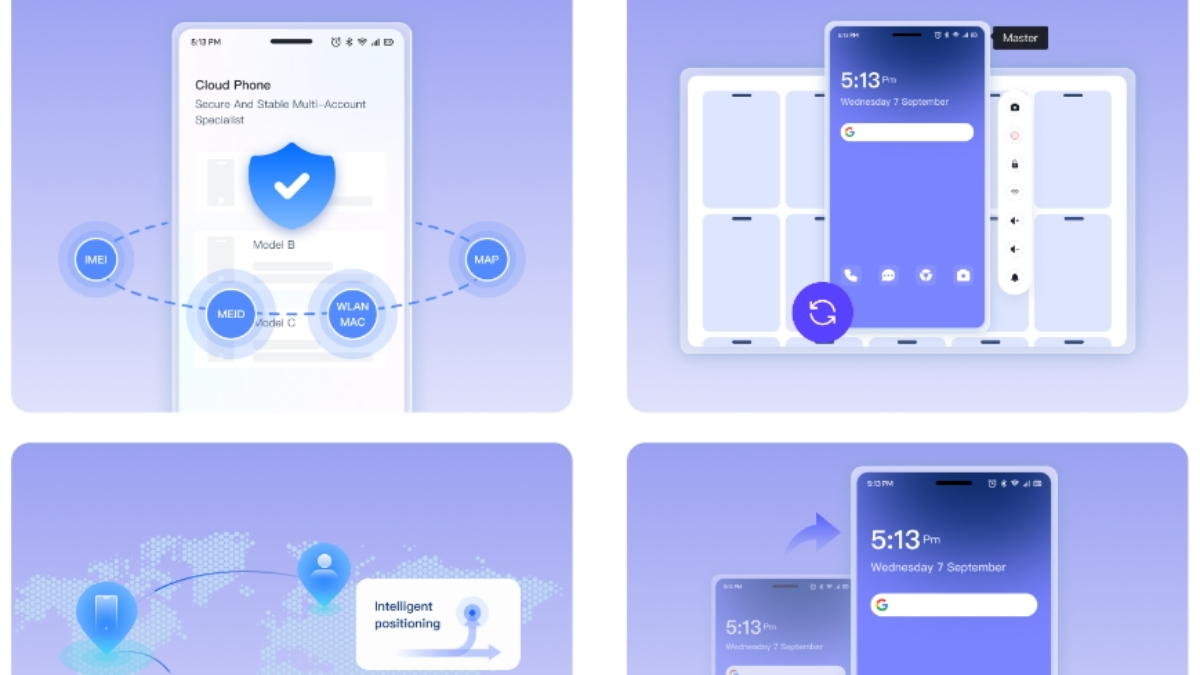
Synchronizer enables sellers to easily manage ticket availability, pricing, and associated events across multiple channels.
The high automation helps users manage repetitive tasks such as posting tickets in an effective way that saves their time.
Security is another critical feature. MoreLogin isolates each account in a separate virtual environment, preventing IP linking or detection by ticketing platforms.
The secondary ticket market can provide access to sold-out events for enthusiasts while opening business prospects for enterprises, too. At the same time, there are risks such as scams, counterfeit products, price variation, and more. Also, forselling or running businesses that sell secondary tickets to events, MoreLogin can help automate syncs and more to maximize success.
 EN
EN