- Product

- Pricing
- Affiliate Program
- Developers
- Resource
 EN
EN
As fraud-detection algorithms become more advanced in 2026, MMO operators must rethink their infrastructure. Between CloudPhone and Virtual Machine (VM), which solution delivers better stability, scalability, and long-term efficiency? This in-depth comparison explains why the shift from VM to CloudPhone is accelerating.
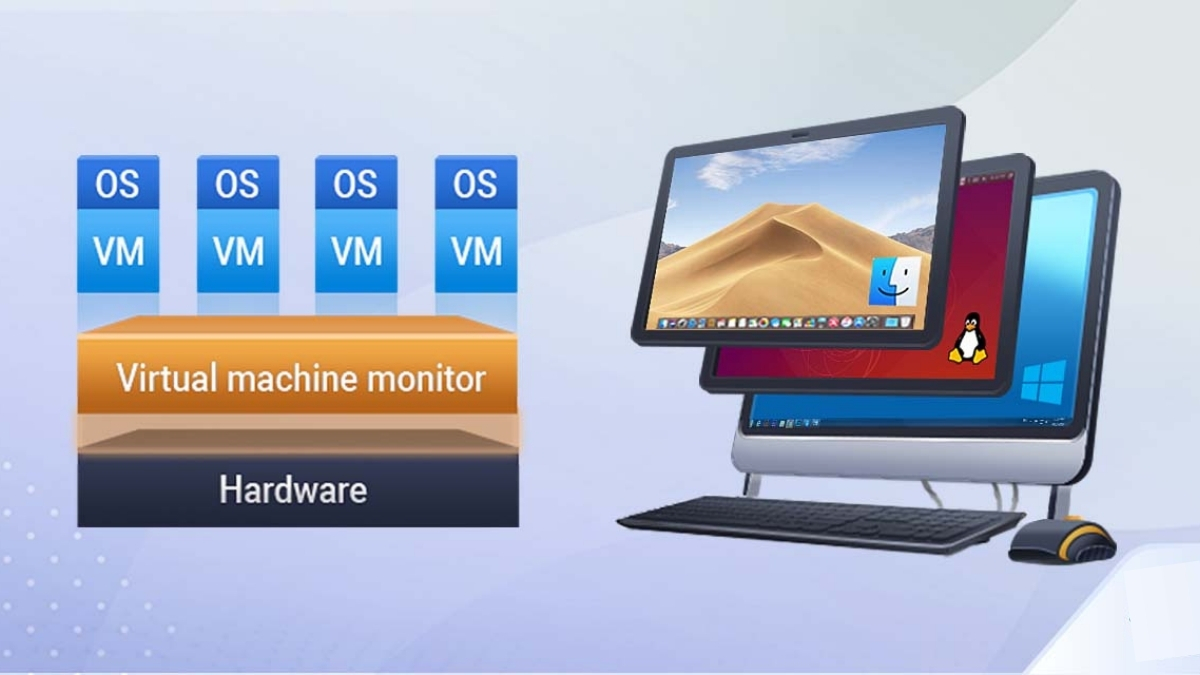
A Virtual Machine (VM) is a virtualization technology that allows multiple virtual computers to run simultaneously on a single physical server or PC. Between 2018 and 2022, VM became the “default” solution for many MMO users due to its flexibility and relatively low startup cost.
With a VM, users could install custom operating systems, browsers, automation tools, and configure proxies to manage multiple accounts at once. This approach worked particularly well for web-based MMO models such as affiliate marketing, traffic arbitrage, and platforms that did not strictly enforce fingerprint detection.
However, by 2024–2026, the landscape has changed dramatically.
The fundamental issue with VM is structural: it remains a desktop-based virtualized environment, while major platforms increasingly prioritize mobile behavior data.
Even with optimized browser fingerprints, VMs can still expose duplicate or abnormal signals—especially without a technically skilled team managing configuration. Heavy dependence on external proxies also creates instability. Shared IPs or low-quality rotation can easily trigger platform flags.
On platforms like TikTok, Facebook Ads, and Shopee—where abnormal behavior detection is highly aggressive—VM environments are detected earlier and checkpointed faster. When scaling beyond 100 accounts, VM setups begin to show clear weaknesses: resource bottlenecks, complex management, high technical workload, and poor compatibility with app-based models such as TikTok Shop.
Today, VM is mainly suitable for small-scale operations, limited budgets, simple web tasks, and users who can tolerate higher account risk.
CloudPhone is a real Android device running in the cloud, where each instance functions as an independent physical device. Unlike emulators or VMs, CloudPhone fully replicates a mobile environment—from hardware signals and operating system to natural user behavior.
According to analyses from GenFarmer, Diginext, and GeeLark, CloudPhone has gained popularity because it solves the biggest challenge in modern MMO: device identity isolation.
Each CloudPhone has its own native device ID, dedicated IP, isolated cookies, and independent fingerprint. Users can run native apps like TikTok, Facebook, and Shopee naturally and continuously 24/7 without relying on personal computers.
As TikTok and Facebook increasingly evaluate trust based on mobile device data, CloudPhone clearly outperforms Virtual Machine in 2026.
One of the biggest differences between CloudPhone and VM lies in how “natural” the device environment appears to platforms like TikTok, Facebook, and e-commerce marketplaces.
With VM, even if users configure a separate operating system, proxy, and browser fingerprint, the environment remains virtualized. If misconfigured—low-quality IP, duplicate fingerprints, abnormal login behavior—the system can detect it as artificial, leading to checkpoints or mass bans.
CloudPhone operates on real Android devices hosted in the cloud. Each account is tied to a dedicated device with independent hardware ID, OS, and behavior data. This makes the operational environment almost identical to a physical smartphone, significantly reducing suspicion.
In real TikTok Shop and Facebook Ads operations in 2026—where login and device monitoring is strict—CloudPhone, especially MoreLogin CloudPhone, shows noticeably lower checkpoint rates compared to traditional VM setups.
VM scaling introduces technical challenges. As account volume increases, users must manage CPU and RAM allocation, proxy distribution, network optimization, and overload errors. Scaling from dozens to 100+ accounts becomes increasingly complex and heavily dependent on technical expertise.
CloudPhone, by contrast, is designed specifically for large-scale account farming. Creating, cloning, and managing devices happens quickly through a centralized dashboard. Each CloudPhone operates independently without causing resource congestion and can be expanded almost instantly.
For MMO teams running 50–500 TikTok, Facebook, or app-based accounts, CloudPhone offers clear advantages in scaling speed, stability, and centralized control.
VM often has lower initial setup costs, especially for users managing their own servers. However, long-term expenses accumulate: high-quality proxies, technical staff, troubleshooting time, and account losses that disrupt revenue flow.
CloudPhone operates on a clear monthly subscription model that is easier to forecast. Users do not need infrastructure investment, ongoing technical maintenance, or to absorb hidden costs related to checkpoints and account loss.
Over a 6–12 month period—especially for medium and large MMO teams—CloudPhone typically delivers higher economic efficiency than VM due to operational stability and reduced risk.
In MMO 2026, the key question is no longer “how many accounts can you run?” but “how long can they survive, how easily can you scale, and how well can you control risk?”
This is where MoreLogin CloudPhone differentiates itself from most traditional CloudPhone providers.
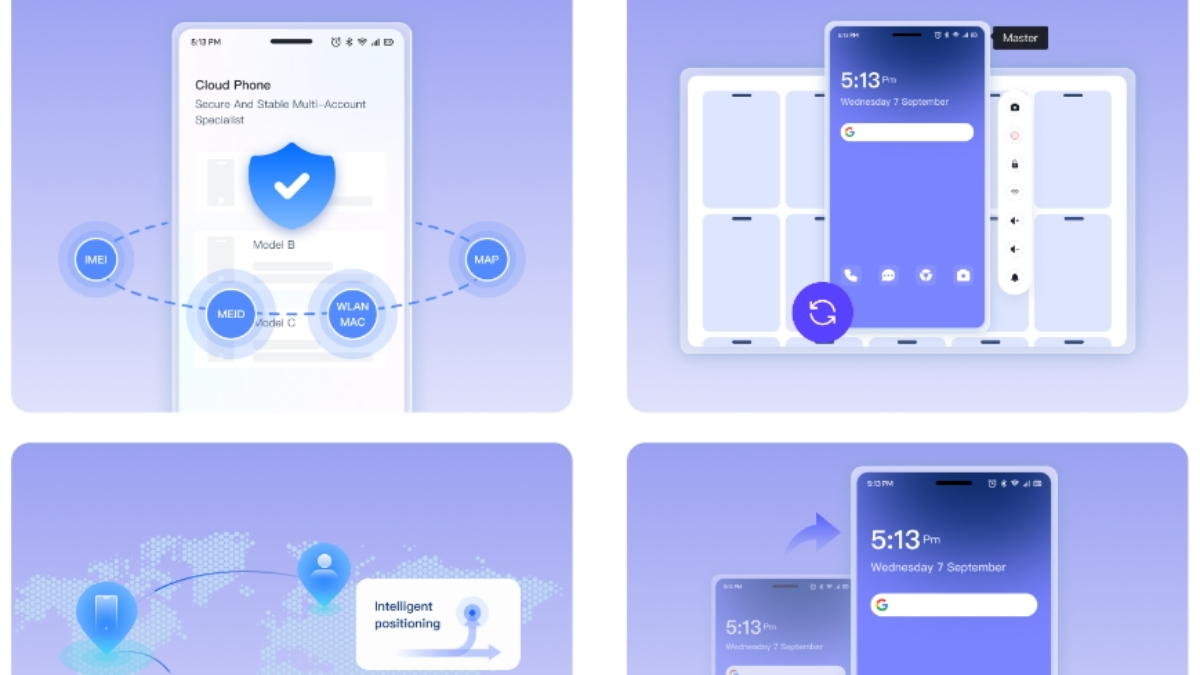
MoreLogin does not simply offer cloud Android devices. It builds CloudPhone on a digital identity management foundation (anti-detect and deep identity isolation), which directly impacts checkpoint rates and account lifespan.
In other words, MoreLogin CloudPhone does not just simulate a smartphone—it creates a fully isolated digital device identity for each account.
MoreLogin uses real Android devices in the cloud rather than emulators or shared hardware layers. Each CloudPhone has an independent hardware ID, operating system, and isolated data environment.
This makes it significantly harder for platforms like TikTok, Facebook, and Shopee to detect account linkage—reducing checkpoints and preventing chain bans.
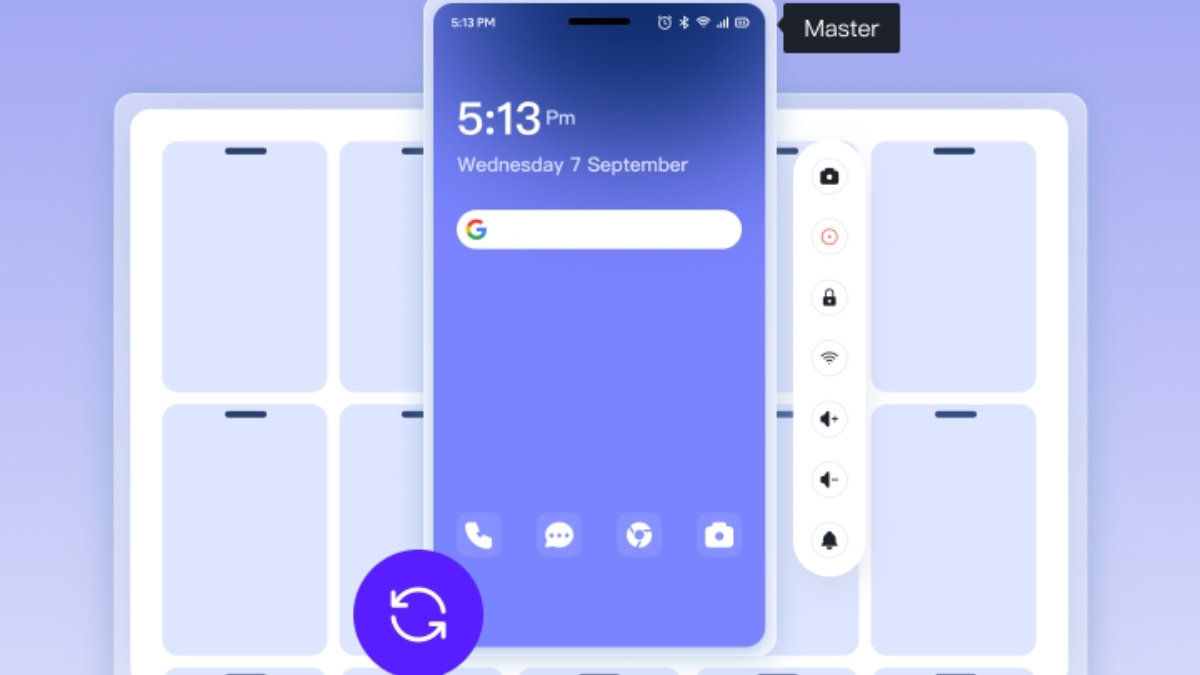
MoreLogin CloudPhone allows clean IP assignment by region, including Vietnam, the US, Europe, and Southeast Asia. Synchronizing IP, device, and behavior creates a far more natural signal compared to attaching proxies to a VM.
This is particularly valuable for multi-country TikTok Shop operations, international Facebook Ads campaigns, and global affiliate models.
MoreLogin goes beyond traditional CloudPhone setups by isolating fingerprint data at a deeper level. Not only IP and cookies, but runtime behavior, device traces, and system-level signals are separated.
For platforms with strong behavior-detection algorithms like TikTok Shop and Facebook Ads, this additional protection layer significantly increases account longevity.
MoreLogin CloudPhone is built for serious MMO teams. A centralized dashboard enables managing hundreds of devices within one interface, grouped by project, region, or team member.
Compared to VM setups or physical phone farms, setup time, troubleshooting, and operational costs are drastically reduced—especially during scaling phases.
Many MMO case studies report that switching from VM to MoreLogin CloudPhone reduces checkpoint rates by 30–50%, extends account lifespan, and cuts troubleshooting time significantly.
At scale, the cost of losing accounts often exceeds tool subscription fees. This is why MoreLogin CloudPhone is frequently chosen during expansion phases, where long-term ROI matters more than initial cost.
In 2026, as platforms continuously upgrade anti-fraud algorithms, CloudPhone is steadily replacing Virtual Machine in most modern MMO models.
While VM remains suitable for small-scale, web-based operations, CloudPhone—especially MoreLogin CloudPhone—offers clear advantages in stability, scalability, account survival rate, and long-term cost efficiency.
For serious MMO operators running multi-platform systems and aiming to build sustainable account infrastructure, MoreLogin CloudPhone is the optimal choice for 2026.
💡 Keep Reading:
 EN
EN