- Product

- Pricing
- Affiliate Program
- Developers
- Resource
 EN
EN
This guide breaks down how to leverage Telegram Ads for affiliate marketing without the fluff. We will explore the core tools and formats to give you a foundational understanding of how this ecosystem operates.
Telegram has emerged as a high-efficiency platform for affiliate professionals. Its primary strength lies in its user base; in many regions, it has achieved maximum penetration among the economically active population—specifically high-income urban dwellers.

Users congregate around specific interests, creating well-defined niches ranging from finance and cryptocurrency to IT, marketing, and gaming. This segmentation allows you to find a target audience for almost any offer. Currently, Telegram Ads remains one of the few platforms where you can officially launch targeted advertising to international markets with minimal technical friction.
Unlike traditional social networks, Telegram lacks an algorithmic feed. Users aren't forced to see content filtered by an AI; they subscribe to channels and receive updates directly. The minimalist interface and strict limits on ad frequency create a clean environment for content consumption.
Because the messenger prioritizes privacy and does not engage in aggressive data harvesting, it has become a "gold mine" for crypto enthusiasts, entrepreneurs, and professional communities. Users acquired through Telegram Ads or native placements are generally more active and loyal. In contrast to classic social media, where high follower counts often result in low reach, Telegram audiences remain engaged, making it ideal for long-term affiliate partnerships.
This is the official Telegram Ads format and the most straightforward way to scale.
Structure: Short text ads (up to 160 characters) labeled "sponsored."
Placement: They appear natively at the bottom of public channels with over 1,000 subscribers.
Versatility: Traffic can be directed to your own channel, a specific post, a bot, or external landing pages (via internal links).
Budgetary Entry: While TON-based accounts have no formal minimum, a budget of €500–€1,000 is recommended for statistically significant testing. Lower budgets often struggle to generate enough data for optimization.
Bots allow you to integrate marketing mechanics directly into the user experience.
Engagement: You can use "subscription checks," interactive buttons, or gamified tasks. This makes the ad feel like a functional tool rather than an intrusion.
Broadcasts: Bot mailings act as a modern alternative to email marketing but boast much higher open rates.
Strategy: You can build your own bot and use Telegram Ads to drive traffic into a fully controlled sales funnel.
Many successful affiliates play the "long game" by building niche-specific channels.
Expertise: By publishing valuable content, you build trust. Affiliate links are then integrated naturally into posts or pinned messages.
Best For: Software, automation tools, education, and subscription-based services.
Benefit: The cost per lead is often lower over time. While it takes 1–3 months to "warm up" an audience, a loyal community can generate revenue across multiple programs for years.
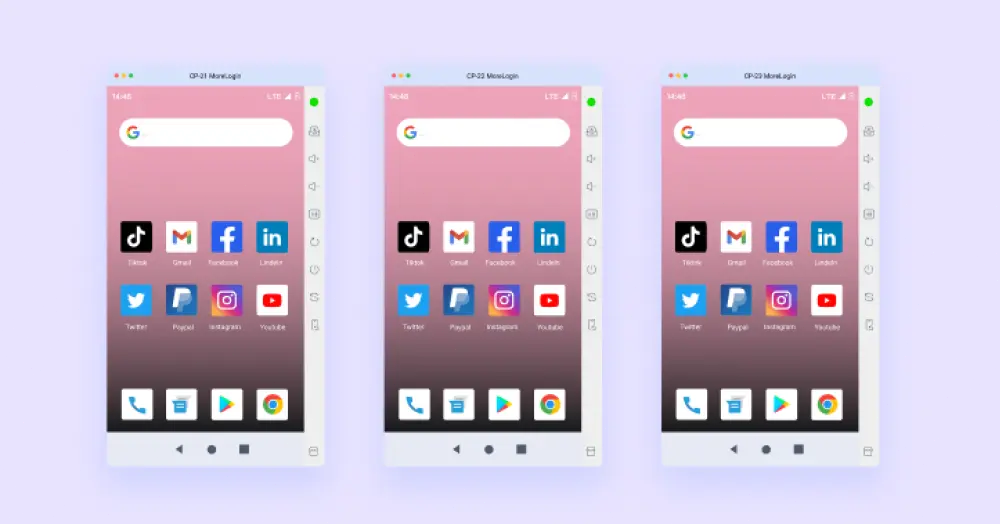
If you have a starting budget: Focus on Telegram Ads as your primary traffic source. With a monthly budget starting around €1,000, you can build a predictable, scalable system. To manage multiple ad accounts safely and reduce the risk of bans, professional affiliates often use anti-detect browsers like MoreLogin.
If you have a limited budget: Start with manual placements (buying posts) in thematic channels or seek out partners willing to work on a RevShare model, provided your offer supports it.
If you are unsure where to begin, analyze your competitors. Studying active "ad bundles" and successful funnels in your specific niche often provides more actionable insights than theoretical study. Telegram is a high-intent platform; if you match the right offer with the right niche, the conversion potential is immense.
 EN
EN